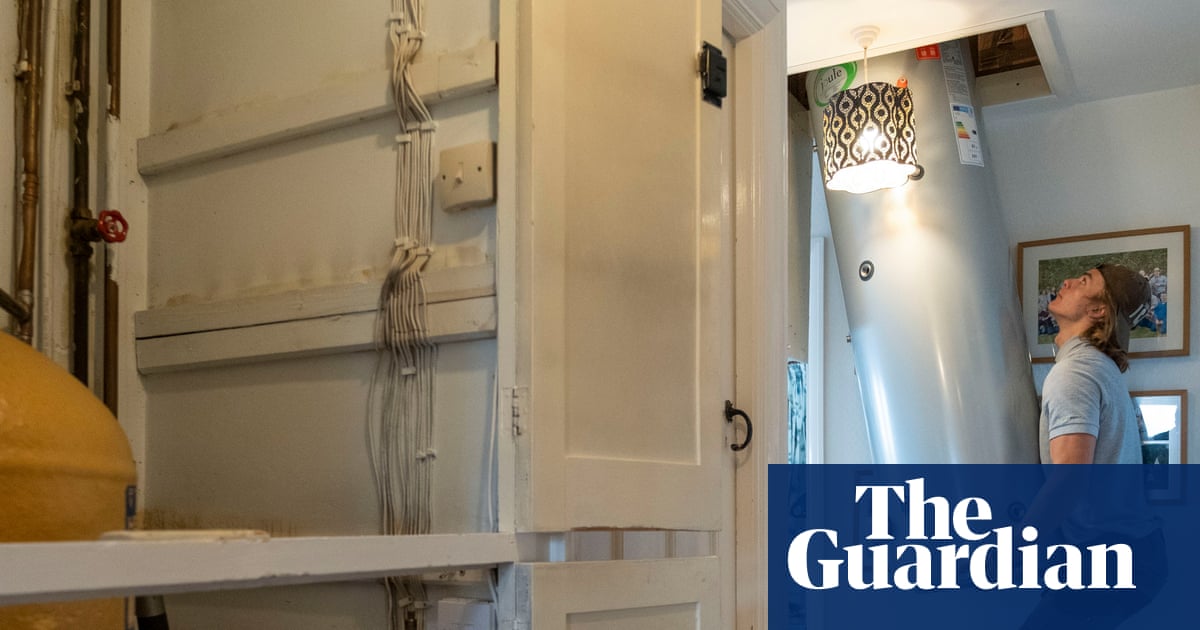
The Guardian's Report on Heat Pump Subsidy Cuts
The Guardian has revealed that the UK government is preparing to reduce the amount of money available for heat pump subsidies, as part of a broader plan to fund increased defense spending. Energy Secretary Miatta Fahnbulleh has been tasked with finding over £2 billion in savings from her budget, with a portion of these cuts coming from the Boiler Upgrade Scheme (BUS) for England and Wales.
The BUS provides grants of up to £9,000 to households to switch to cleaner heating methods, such as electric heat pumps. While the scheme will not be abolished, hundreds of millions of pounds will be cut from its five-year, £2.7 billion budget.
Impact on the Heat Pump Industry and Households
Critics argue that reducing the subsidy scheme will damage the nascent British heat pump industry, which has seen tens of thousands of households install heat pumps with the help of the grants. Greg Jackson, CEO of Octopus Energy, emphasizes that the scheme is "doing exactly what it was meant to do" by kicking off an industry and driving down the costs of heat pumps.
"Just as EVs are becoming the new normal, heat pumps are too," Jackson adds. "In the last 18 months, more than 500,000 have asked us for a quote. The market is taking off. Cutting the engine now would be brutally damaging. Heat pumps are undoubtedly our energy future."
The cuts are expected to impact the industry's growth and potentially price many households out of the market. As a heating engineer who transitioned to heat pumps five years ago explains, "Heat pumps are already a significant upfront investment, and without adequate financial support, you risk pricing the majority of homeowners out of the market."
A Step Backwards in the Climate Crisis
Madeleine Gabriel, a director at the charity Nesta, criticizes the move, stating, "Bills are soaring again because of high gas prices. Our reliance on gas is the reason we are in an energy crisis, so cutting funding for heat pumps makes no sense."
The decision to cut heat pump subsidies while simultaneously approving the Jackdaw gasfield development further undermines the government's commitment to tackling the climate crisis. Critics argue that this approach is short-sighted and fails to address the root causes of energy insecurity.
A Strategic Decision with Long-Term Consequences
The government's decision to prioritize defense spending over climate action and energy security is a strategic one. While some argue that defense assets provide a more assured form of energy security, others emphasize the need to break free from dependence on petrostates and fossil fuels.
As one commenter puts it, "We need to break the reliance on petrostates, and develop food security alongside diplomatically negotiating a swift global move away from all fossil fuel consumption in the shortest possible time frame."
The cuts to heat pump subsidies are part of a broader trend of the government's policies, which include expanding airports and maintaining Europe's dependence on Russian and American gas imports. Critics argue that these moves are inconsistent with the government's stated commitment to net-zero by 2050.
Conclusion
The UK government's decision to slash heat pump subsidies raises concerns about its priorities and commitment to tackling the climate crisis and energy security. While defense spending is important, the impact of these cuts on the heat pump industry and households' ability to transition to cleaner heating methods could have long-term consequences. As the heating engineer warns, "You can’t spend years telling an entire industry to move in one direction, expect people to invest their time and money into that transition, and then pull the rug out from under them."
The government's decision highlights the need for a consistent, long-term strategy that supports the transition to cleaner energy sources and ensures the UK's energy independence.

