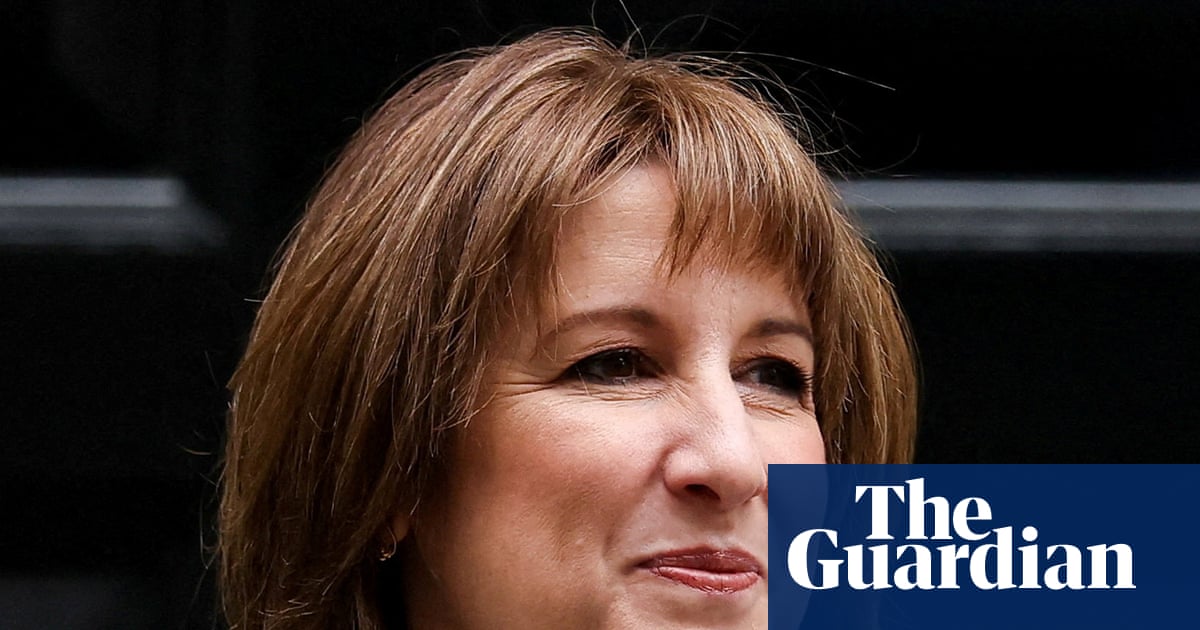
Former Chancellor Rachel Reeves has reignited the Brexit debate by asserting that the UK's future lies within the European Union. In a recent article for the Sunday Times, Reeves, who was sacked as chancellor by Prime Minister Andy Burnham, argued that Brexit has left the UK 'poorer, weaker, and less secure.' This marks her first major intervention since leaving the Treasury, and it comes as the UK negotiates with the EU to ease trading restrictions and finalize a youth mobility deal.
The Case for Rejoining
Reeves emphasizes the need for a compelling argument to the public, stating, 'I am proud of the progress we have already made in strengthening our relationship with the European Union.' She believes that rejoining the EU is essential to reverse the economic damage caused by Brexit, a stance she first articulated as chancellor. In her Mais lecture in March, she warned that Brexit had created 'profound uncertainty' and raised barriers to trade, leaving the UK vulnerable between global trading blocs.
Political and Public Divide
Prime Minister Burnham has adopted a two-stage approach to reforming Brexit, starting with changes within Labour's 2024 manifesto scope, which excludes rejoining the customs union, single market, or reinstating freedom of movement. Any more substantial changes, including full rejoining, would require a referendum, according to Burnham. This cautious approach reflects the deep political and public divisions over Brexit, with some ministers expressing concerns about migration and economic impacts.
Economic Arguments
The economic implications of rejoining the EU are a central point of contention. One perspective highlights the potential for increased trade and job creation, arguing that the UK's services-led economy could benefit from closer ties with the world's largest trading bloc. 'It would allow UK-based businesses to trade more easily and with fewer roadblocks,' one commentator noted, suggesting this could boost tax revenue and public services.
However, critics counter that the EU is currently facing economic challenges, with countries like France and Germany experiencing low growth and social unrest. 'The EU isn't this magic fix-all entity,' one commenter remarked, pointing to riots in France over living standards. Another argued that the UK has outperformed these countries since Brexit, though this claim is disputed, with some citing GDP data to show Brexit's negative impact.
Public Sentiment and Democracy
The question of public sentiment and democratic legitimacy looms large. Many argue that reversing Brexit without a referendum or a clear electoral mandate would be undemocratic, given the 2016 vote. 'It's pretty anti-democratic to reverse a referendum without a big mandate,' one commenter stated. Others suggest that the public mood has shifted, with many who voted Leave now regretting their decision. 'Almost everyone I know who voted leave, now pretends they didn’t,' one person observed, indicating a potential loss of Brexit's narrow majority.
Political Strategies and Challenges
Labour's strategy regarding Brexit is seen as crucial for the next general election. Some believe that campaigning on a platform of rejoining the EU could unite progressive voters and force Brexit supporters to defend their position. However, this approach risks alienating Labour's heartlands, where Brexit support remains strong. 'Labour will be utterly annihilated in their heartlands if they attempt the biggest betrayal in UK history,' one critic warned.
Broader Implications
Beyond economics and politics, the debate touches on issues of identity, sovereignty, and global positioning. Some argue that rejoining the EU would restore freedom of movement and programs like Erasmus, which they see as beneficial for social mobility and cultural exchange. Others worry about losing control over immigration and trade policy, viewing the EU as a bureaucratic burden.
In conclusion, Reeves' call for the UK to rejoin the EU has reopened a complex and emotionally charged debate. While economic arguments are central, the issue also involves questions of democracy, identity, and the UK's place in the world. As negotiations with the EU continue and the next election approaches, the Brexit question remains as divisive and pivotal as ever.

